
It has been a time of transition for Rogue Adventure. I jumped onto the team’s webpage and I was shocked to see that it has been over four years since I’ve posted an update on the team. There has been a very good reason for this which I’ll get into below. I want to use this post to pull together collection of different thoughts and give the page some closure, so apologies in advance if this post is a little rambling: indulge me!
So as many of you reading of this are probably aware, exactly three years ago I went into cardiac arrest at the end of a Dawn Nav event one Friday morning. This came completely out of nowhere: until that morning I’d considered myself relatively fit and healthy. I was very lucky that day to be competing in an event less than 10 minutes ambulance ride away from Queensland’s largest hospital, with many friends surrounding me including three doctors who recognised the seriousness of the medical event for what it was. Through their actions including CPR, an ambulance arrived very quickly and I was defibrillated (while conscious I should add: a rather unique experience). I’ve been told less than one in ten people survive an out of hospital cardiac arrest, and many of those who do suffer neurological impairment, so needless to say on one level I’m very fortunate.
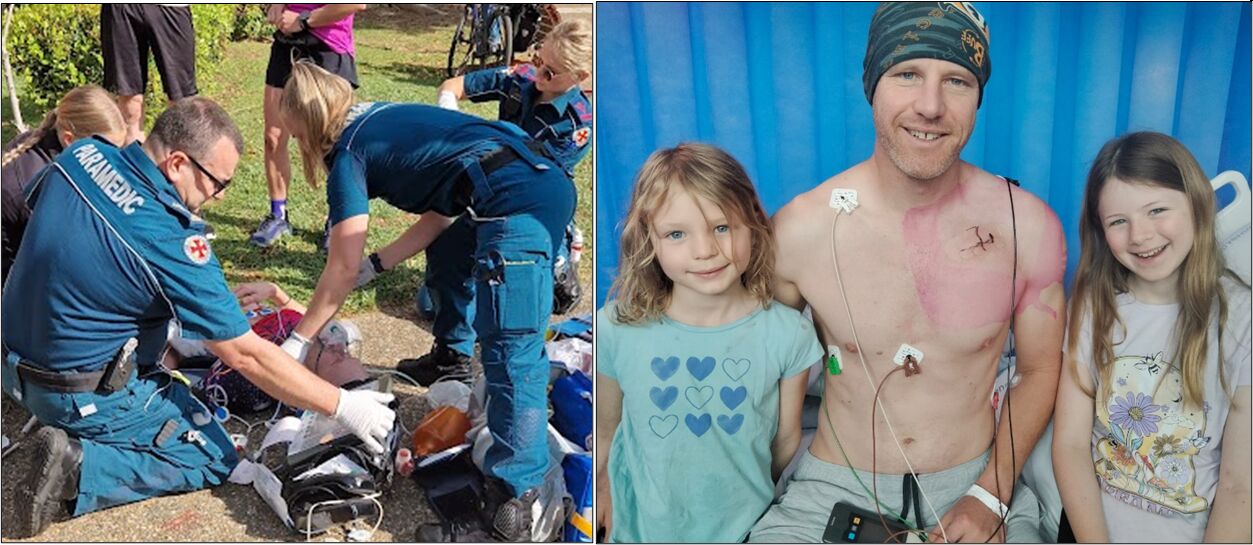
Countless tests and cardiology visits later, I’ve been diagnosed with a condition called Arrhythmogenic Ventricular Cadiomyopathy (AVC). It’s a relatively uncommon heart condition where the heart muscle tissue gets replaced with scar tissue over time. It’s normally found on the right side of the heart, however interestingly my version occurs mostly on the left ventricle. It’s considered a genetic condition, although 60% of the time they don’t know the gene responsible (ie gene elusive) which is the case for me. The presence of the scar tissue can result in electrical abnormalities in the heart, resulting in dangerous heart rhythms. Often the first sign of the disease is death by cardiac arrest. Research is learning more about the disease, but one of the strong underlying associations observed is a correlation with endurance exercise and hence, along with a bunch of cardio-protective drugs, patients are strongly recommended to avoid all forms of exercise except for the lightest activity.
Obviously going from someone who runs, rides and paddles almost everyday of their life, whose who social network is based around these activities, who manages a business running adventure races and whose whole identity is tied up in being active outdoors, this is a hard diagnosis to take. After that cardiac arrest in late 2023, I managed to keep things ticking over to some extent – sure I wasn’t able to race anymore, but I was still organising events, and getting out to do some running, riding and paddling, even if at a much reduced level. However, a year ago I suffered another two cardiac arrests in quick succession. I was only saved by the implanted defibrillator that I was given after the first arrest. Further testing showed that the disease had progressed and as a result there is a lot of pressure from both my cardiologists and family to cut out all forms of exercise.
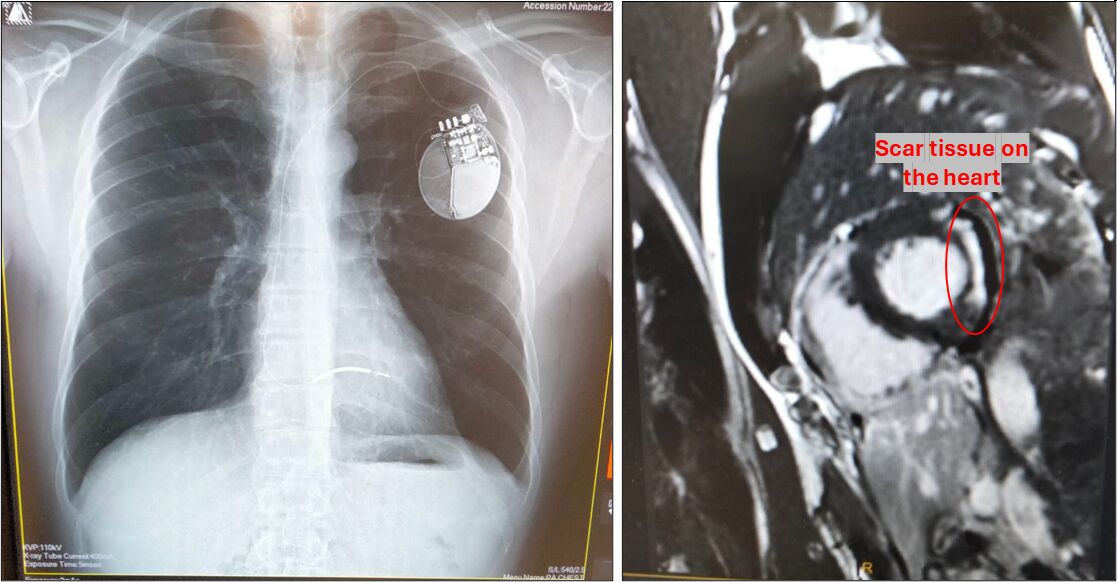
As anyone keen adventure racer or rogainer can probably imagine, this is a bitter pill to swallow. In some ways I’m very fortunate. Aside from the inconvenience of having to regularly take a bunch of drugs which can leave me occasionally feeling light headed or tired, and apart from having a defibrillator sticking out of my chest, I feel pretty normal on a day-to-day basis. I’m not blind or in a wheel chair. I’m not in constant pain or suffering cognitive impairment. I probably have a reduced life expectancy, but I’m not immediately terminally ill. I’m still allowed to drive a car and can live my day-to-day life absolutely normally. Ironically, I could probably go outside and do some hill repeats on the bike or run on the trails and get through it completely fine, however in doing so I’d possibly (read probably) be causing my heart more long term hidden damage. As a husband, father and friend of people who want me around for as long as possible, this needs to be taken into consideration.
So that brings us up to this point in time. I’ve been heavily involved in the Australian adventure racing scene as a competitor, race director and general observer since entering my first race over 20 years ago. This has become harder and harder to do over the last three years. There is obviously the physical side of things – hanging check points for a race could be considered a dangerous activity for me now. But more so, it all comes with a profound sense of sadness and loss. Seeing a runner out on the road – such a simple act of putting on a pair of shoes and pushing yourself until your breathing hard and your legs hurt – comes with a feeling of sadness and anger and loss. Even if I wanted to do it now against doctor’s orders, it would feel scary to do so.
So with all that as background, I wanted to use this post for two reasons. Firstly to reflect on my time as an adventure racer and what I learnt and achieved over that period, and also discuss a little bit about the future direction of the Rogue Raid races, because there is some glimmer of light on that horizon.
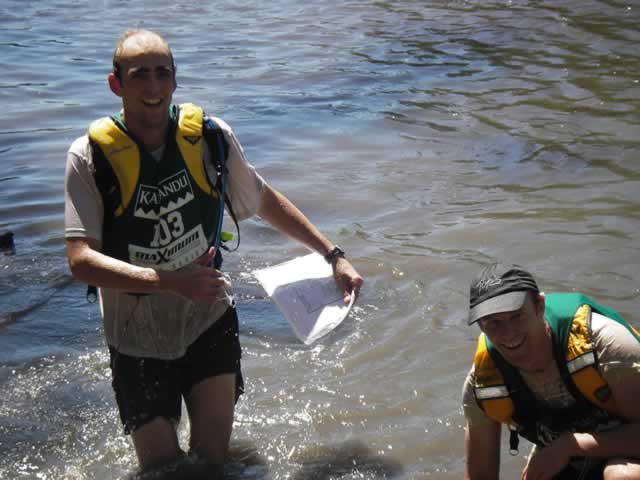
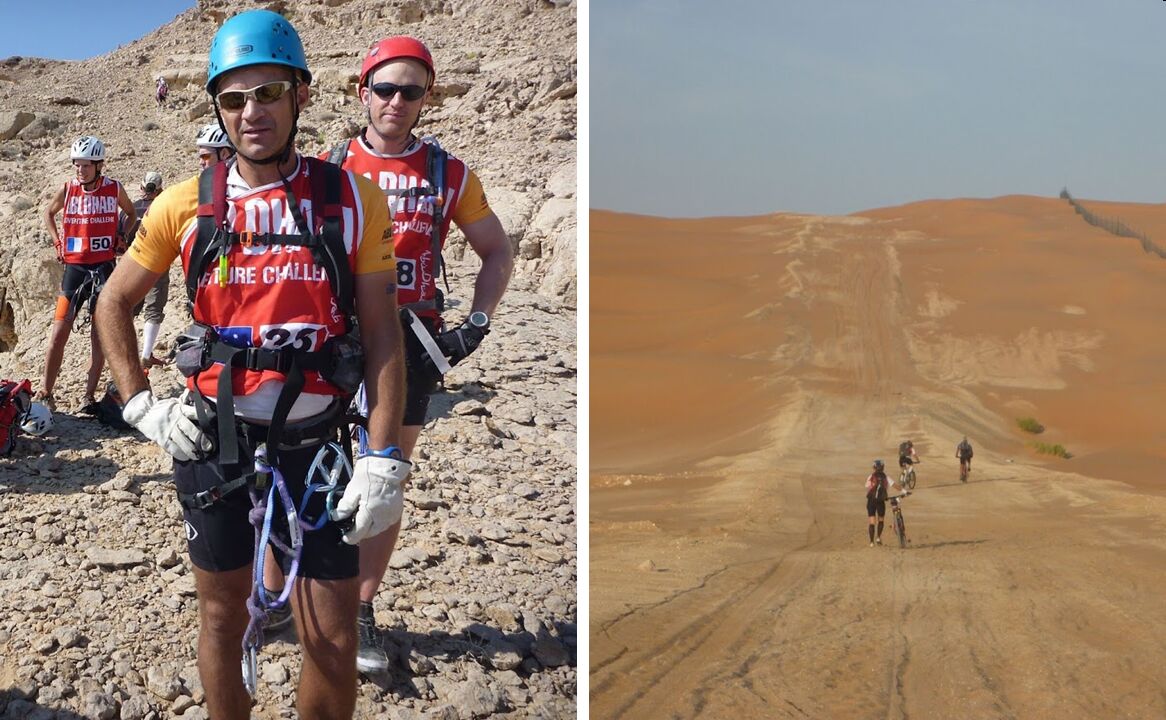
I did my first adventure race at the age of 26 in 2006. That age, on reflection, was relatively young by current adventure racing standards which definitely trend to older competitors. It was a Max Adventure sprint race at Wildhorse Mountain. We made all the usual rookie mistakes, riding a $100 full rigid 26er bought second hand off eBay, finishing solid middle of the pack: but I was hooked. I grew up playing competitive basketball at a representative level as a kid and all my original team mates for AR were my basketball team mates. Realising that navigation is a make or break skill in adventure racing, I turned my hand to orienteering and rogaining. After my first race in 2006, I did my first 24 hour race (Hells Bells) in 2007, my first 48 hour race (GeoQuest) in 2008, my first multi-day stage race (Abu Dhabi Adventure Challenge) in 2010 and my first expedition race (XPD) in 2011. Over a 17 year period I raced 8 expedition races, close to twenty 48hr+ races, over twenty 24hr races and countless shorter adventure races, rogaines, MTBOs and trail running events.
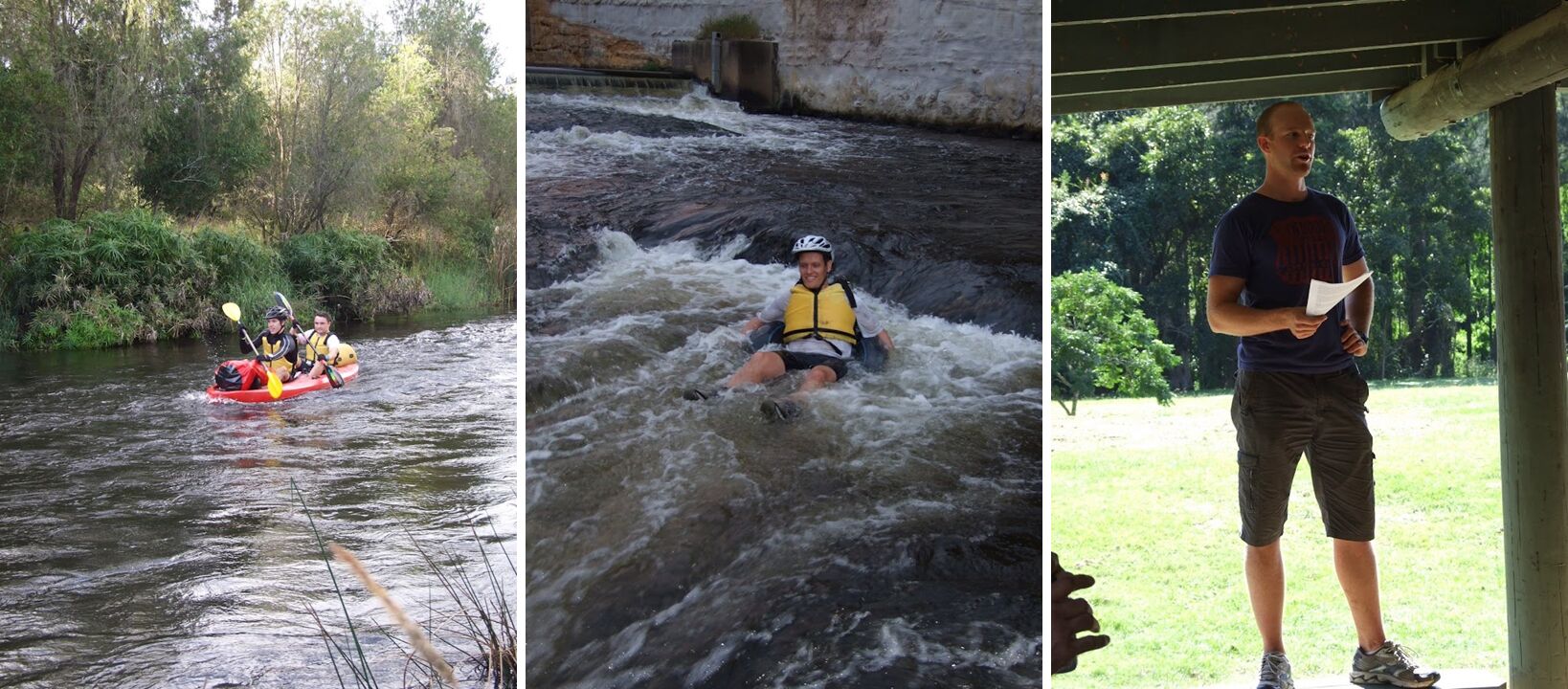
Pretty early on in my stretch of racing, I also turned my hand to race directing, initially as a volunteer through the Queensland Rogaine Association (QRA). I ran my first foot rogaine, an 8 hour Upside Down rogaine, out of Old Hidden Vale in 2008. This was followed up by my first 24 hour rogaine format adventure race: the Rogue Adventuregaine in 2010. Fifty teams of two took on what could possibly still be one of the hardest 24 hour courses I’ve set so far through the hills of D’Aguilar National Park.
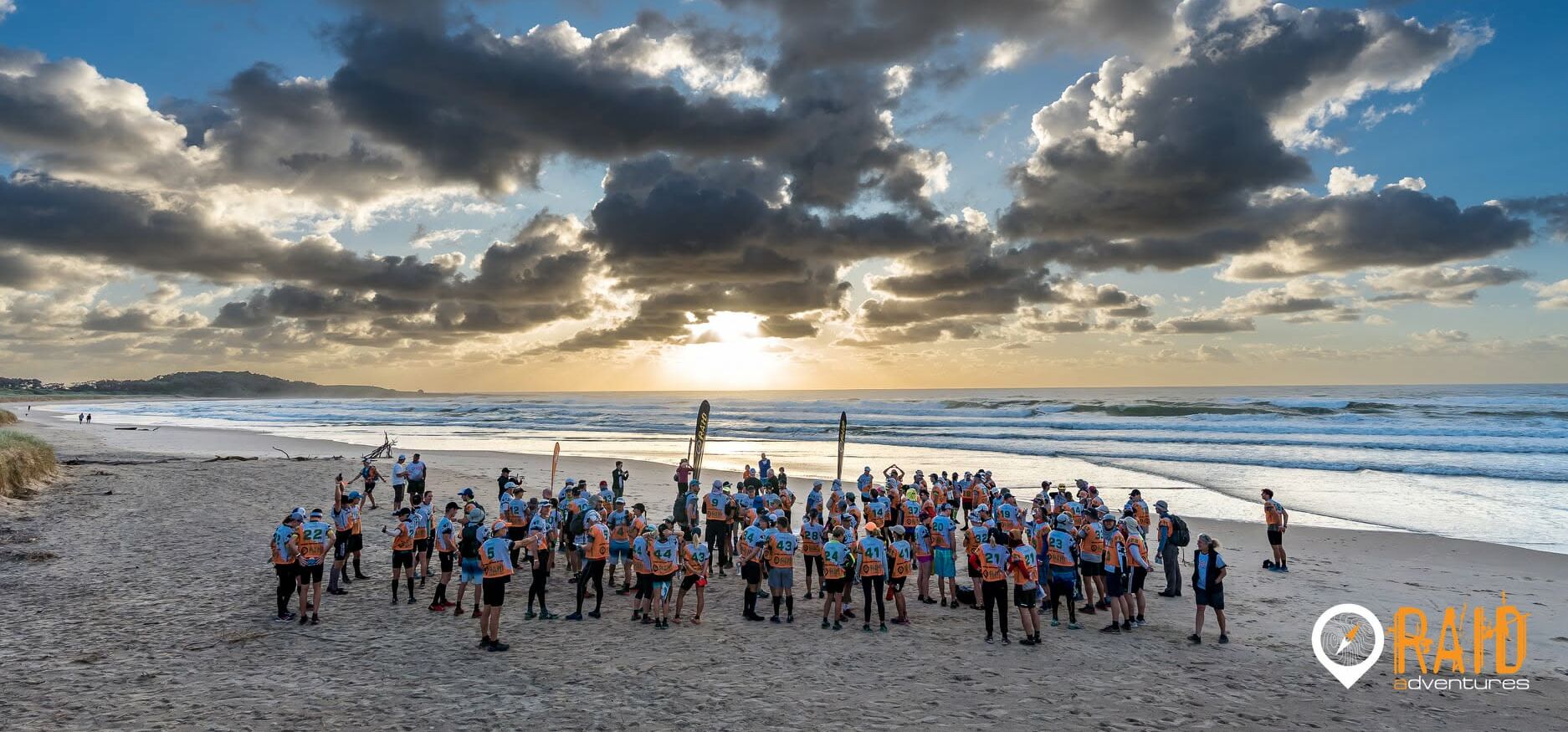
After playing a little with the length format and eventually settling on a 24 hour race, I ran what became to be known as the Rogue Raid for 8 years as a volunteer through QRA. This was an excellent apprenticeship in both course setting and event management. In 2017, the Aventure 1 series began. Initially, as an outside observer, I saw the power that a single series had to bring race directors together for more structured conversations as well as giving teams a focussed goal throughout the calendar year to work towards. I think those initial years of A1 saw some of the most competitive racing between premier mixed teams of 4 in Australia since the early days of the Eco Challenge boom which hasn’t been matched since. When an offer came in 2018 to include the Rogue Raid in the series, I made the jump to running the race as a commercial event, albeit still with very close ties still to QRA. Running a commercial race brings with it a whole bunch of new challenges, however it certainly helped to justify the time I was investing in the race and was an excellent platform for new learning for myself. It also gave a platform for other, smaller Raid events including the Mojo Raid and Wildfire Raid which expanded on the offerings of a rogaine-format adventure race, which are still a relatively unique concept in the adventure racing world.
After a couple of solid years of growth and competitive racing in Australian AR through A1 – both as a race director and a competitor myself – the series fractured. The emergence of a rival series through the ARWS Regional options split the options of events, and in a small market neither series made much sense to competitors as a goal to focus on over a calendar year. I’ve actually been completely agnostic to either series: my feeling was that the Rogue Raid would exist as a strong race option regardless of membership in any greater series. My primary concern was to have a single system in place where all the race directors in Australia were working together and communicating well, as well as a system that gave Australian AR athletes a voice. For a long time that system was still A1, however the momentum has slowly shifted to the ARWS Regional Series and the newly minted Adventure Racing Australia (ARA) organisation.
This year, it reached the point where the Rogue Raid was the only remaining adventure racing in the Adventure1 series, with any other race in Australia that was affiliated with a series (and not all of them are) falling under the ARWS banner. And so, the I made the decision to move the Rogue under the ARWS Oceania Regional series for 2027. This is to support collaboration between races and race directors and give Australian AR athletes a structured goal to work towards, supporting to the ARA movement. For those that don’t care about series points or competitive placements, rest assured the race will still be the same fantastic event: grassroots adventure racing and rogaining with a focus on good course setting, great maps and navigational and strategic challenge. However joining the series should also hopefully help give momentum to the growth of the sport in Australia.
I just wanted to take this time quickly to say big thank you to Todd Vickery for his initial vision of A1 and some fantastic years of competitive racing and Trevor Mullens who has kept the A1 flame burning. Adventure1 is still running on an international scene with some great events and conversations happening between race directors across multiple continents. Make sure to support races (regardless of their affiliated series) that put on great courses and keep the safety of their competitors at the forefront. At the same time, also try out new and exciting events where possible: more racing is better! I’m also excited to see the momentum the ARWS Regional series brings with it. Having a commercially run series also increases the potential longevity and professionalism of the series in my opinion and is the only sustainable model for a small and obscure sport like Adventure Racing.
With all that in mind, I wanted to update you on the future of the Rogue Raid beyond 2027. With my heart health being what it is, I’m going to be taking a step back from Adventure Racing. I always thought a point would come where I wind back from race directing to focus more on my own racing, travel and family time again. I assumed that I would just fold back into being a Queensland Rogaine Association volunteer again, perhaps even running some smaller events when the mood took me. However, the Rogue Raid has an even more exciting future ahead of itself.
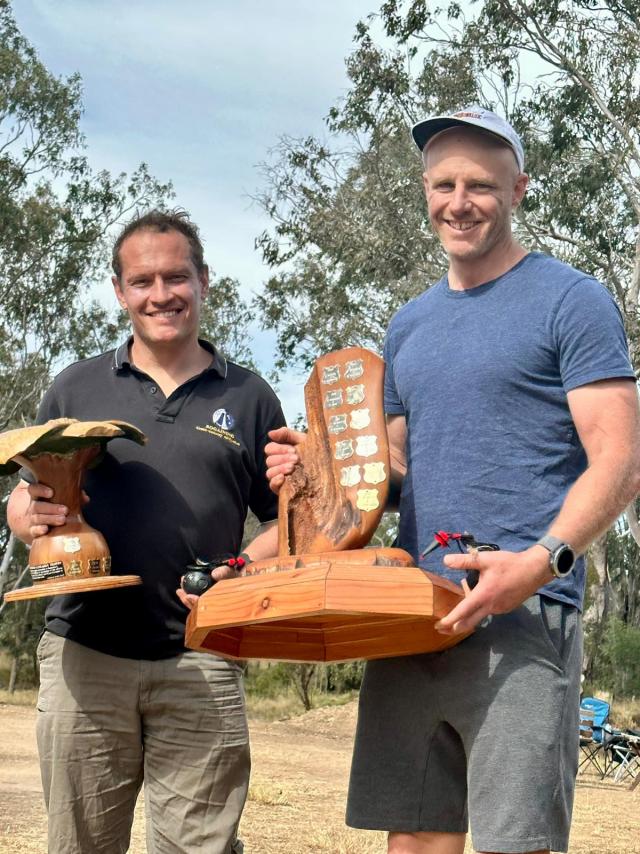
From 2028 onwards, the Rogue Raid will come under the management of Paul Guard. Paul is an experienced rogaine competitor and organsier. He has run multiple rogaines up to 24 hours in length include the Australasian Championships and multiple Queensland Championships. He is a former Queensland Rogaine Association President and current Australian Rogaine Association President. Paul has also delivered over 290 Dawn nav events with a series that has strectched without missing a single event over 5 years. He has also had a close affiliation with the Rogue Raid in the past, managing the entry system the race uses as well as either setting controls or competing in the race many times over the years. Paul has also developed the Navgame App which I think is going to revolutionise course setting and running rogaine events in Australia. This is all to say that I couldn’t think of a better person to take on the Rogue Raid: the race is in very safe hands. I know Paul has some fantastic ideas for the future direction of the race, incorporating online tracking, the introduction of training events, new locations, trying new formats and more. Keep on eye out over the coming months for more news on that front. I’m also looking forward to be available to still be involved with the race to help during this transition period.
So with that exciting news to share, I wanted to spend the final section of this post reflecting on what adventure racing has given me. With having to step back from the sport, I don’t think I will be posting here again, but I want this website to live on as it’s filled with great stories, pictures and memories.
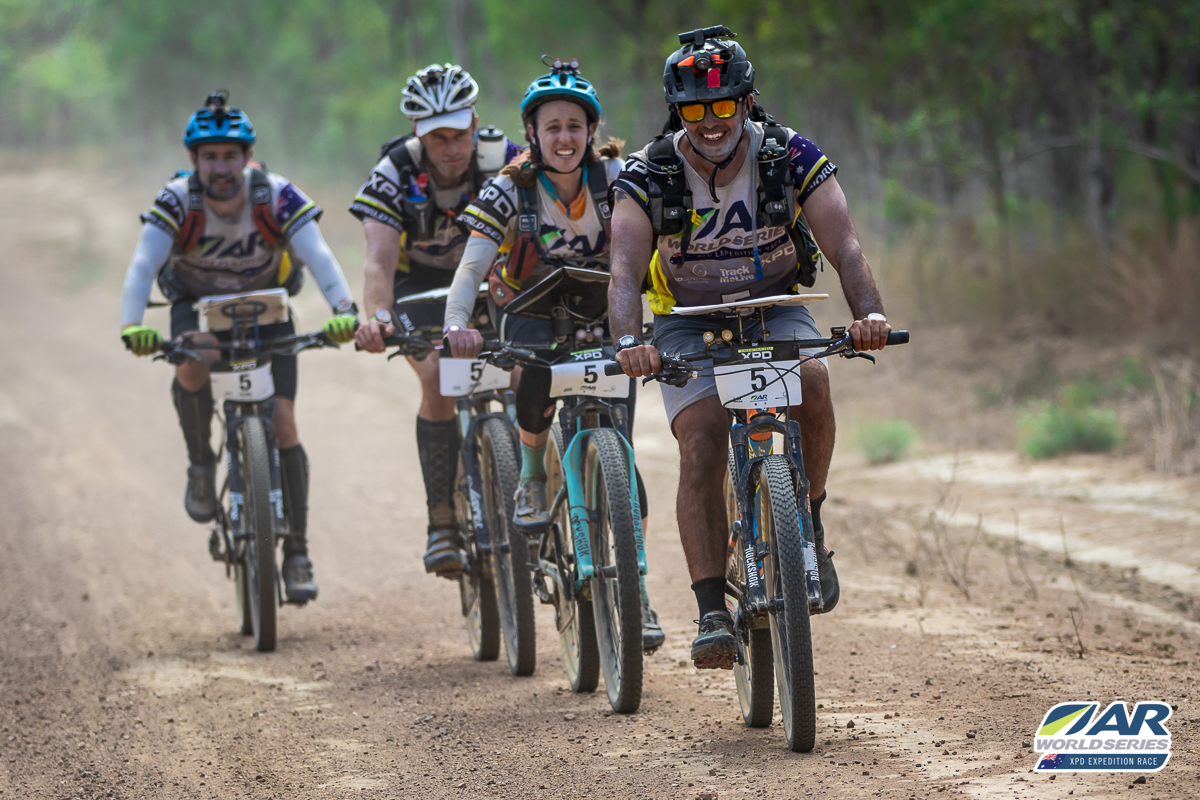
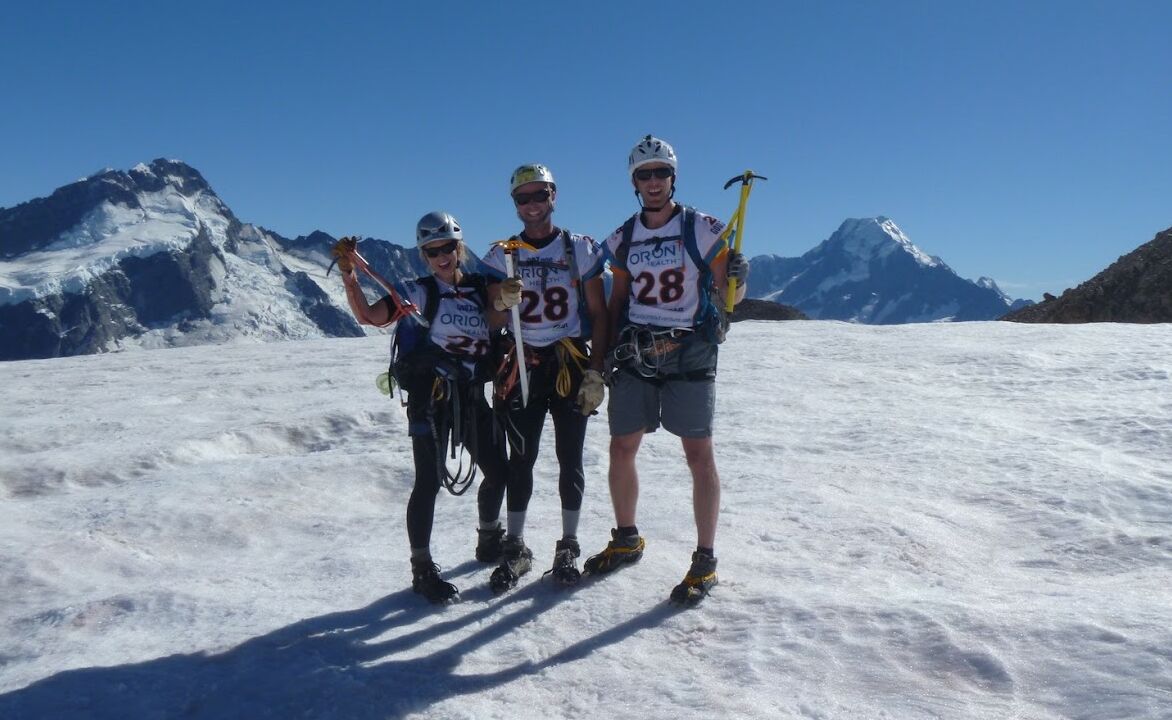
Firstly, a big thank you to all my teammates over the years. It’s amazing how a single weekend of racing can be such a formative part of your life. Literally memories of a lifetime. I still get together with friends I did my first big races – Alan, Craig, Glenn, Al, Paul and co – even almost 20 years later even though none of us are still racing. I was lucky to also land in with some very competitive racers including Sloshy, Leo, Russ, Kim, Gary, Ali, Darren, Thor, Bevan and others too numerous to name. All of them far superior athletes to myself but happy to drag me along: hopefully I was able to bring something to the team. A special mention to the Port Macquarie crew of Chris, Mish, Ali and Dan. I was so lucky to fall in with you guys – in my opinion the Australian AR dream team. I just wish there were more races together still ahead of us.
Racing has also taken me to so many amazing pockets of Australia and the world. Aside from the Rogue Raid, there are two races that hold a very special corner in my heart. The original GeoQuest races (I did 10 in a row from 2007 onwards) felt wild and epic and were the perfect platform to for hard, high-skill racing. For a decade they were my favourite weekend of the year. The other was GODZone. I was lucky to race four editions in total including the first three events. Again, GODZone ticks those same adjectives: wild, epic and challenging. I wish I always had the next edition on my calendar to plan towards.
I like to think that adventure racing has not just taught me a bunch of practical skills around paddling and bikes and navigation, but also a number of less tangible skills. There are the obvious ones like planning, resilience and achieving goals, but also those around human nature. I don’t think I’m a naturally empathetic person, but I definitely believe I learnt empathy over the last two decades of racing. Being a race director watching numerous other teams’ internal interactions have helped reinforce this. And it has been the moments where things aren’t going well – for my team mates and more often than not for myself – that helped me grow into a better racer and a better person.
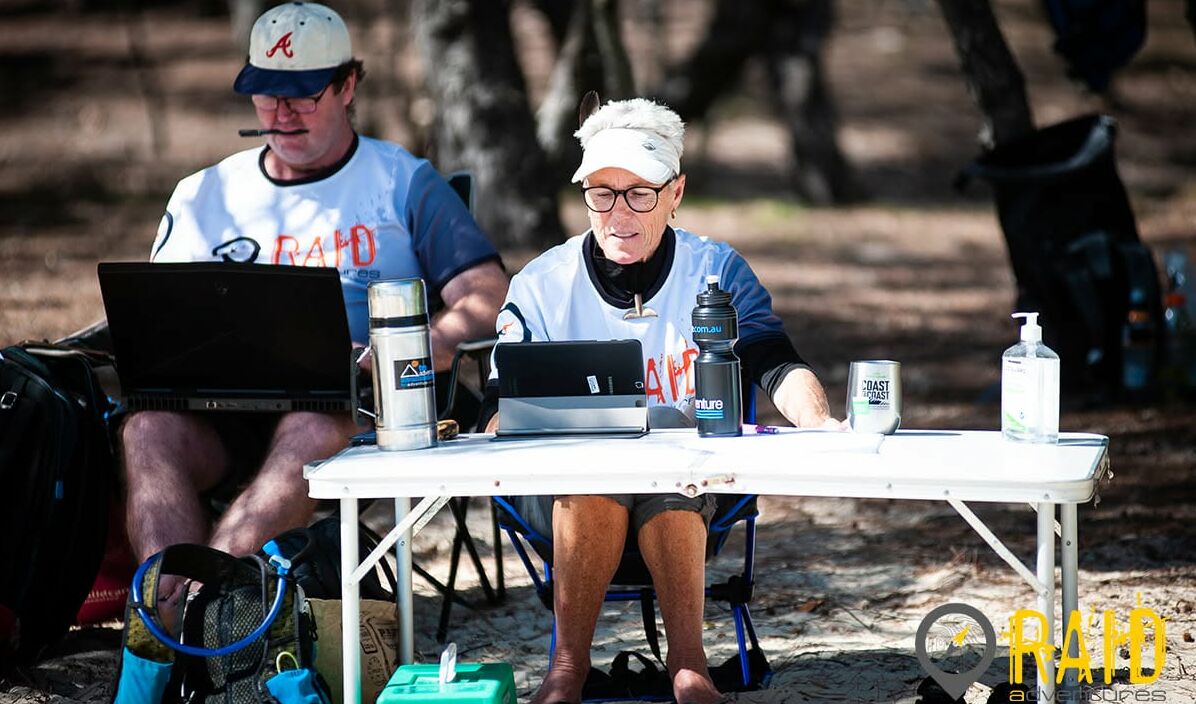
I’ve always believed that Adventure Racing is made of a community of amazing people. Nowhere else is this more evident that those that have volunteered their time at the Rogue Raid. I’m almost reluctant to single out individuals, because everyone who has given up their time to help with the race over the years is truly appreciated and I would hate to miss anyone. But as anyone who has regularly competed at the Rogue Raid knows, there have been a few people that have consistently turned up year in and year out. A big thank you to the other Raid race directors, Adam, Jo and Erren. You always maintained the high standard of courses for the Raid events and I was excited to be able to compete in many of your races. I think it is safe to say that Adventure Racing in Queensland would be only half the sport it is now if Adam hadn’t invested his time and money into a fleet of 50 CTR kayaks (as much as we love to moan about them!). Thank you also to Derek for consistently managing the back end of tracking and results for both the Rogue Raid and Urban Rogue for well over a decade now. And thank you to people like Michele, Greg, Mitchel, Fiona, Richard, Alan, Kim and Jan who turn up every race, willing to jump in to help with any job that needs to get done. The Rogue Raid wouldn’t have been the event that it is without you and all the other volunteers. Hopefully we’ll still see you back at future events!
While I think the future of the sport is exciting for Australia, I think it does face some challenges. For race directors, I see the biggest challenge being land access and regulatory compliance, particularly in the face of climate change. Our RDs are asked to do a lot with a little – there is not much money in the sport, competitor numbers aren’t massive and there will always be competition against other endurance sports. The fact that races travel to new locations every year is a massive appeal of the sport, but they also make race organising a huge challenge as you are always recreating the wheel with permit applications, mapping and course vetting. As much as I love AR and rogaining, I don’t ever see them becoming mainstream sports due to the current barriers of entry in terms of costs and just how hard it is as a sport. But I am hopeful that the future of the sport is a positive one, particularly in the hands of people like Paul.
Anyway, that’s probably enough rambling thoughts for now. This is the most time I’ve spent actively thinking about racing for a while. I’m hopeful I can look back on all the past races without too much sadness at some point. I’ve always thought of the various races I’ve organised as a single project, maybe the way a artist would look a picture they’ve painted or an architect at a building they’ve designed. There have been 56 Raid races over the last 17 years, of which I’ve been lead race director on 38. That’s a lot of check point circles to draw, flags to hang and race bibs to wash!
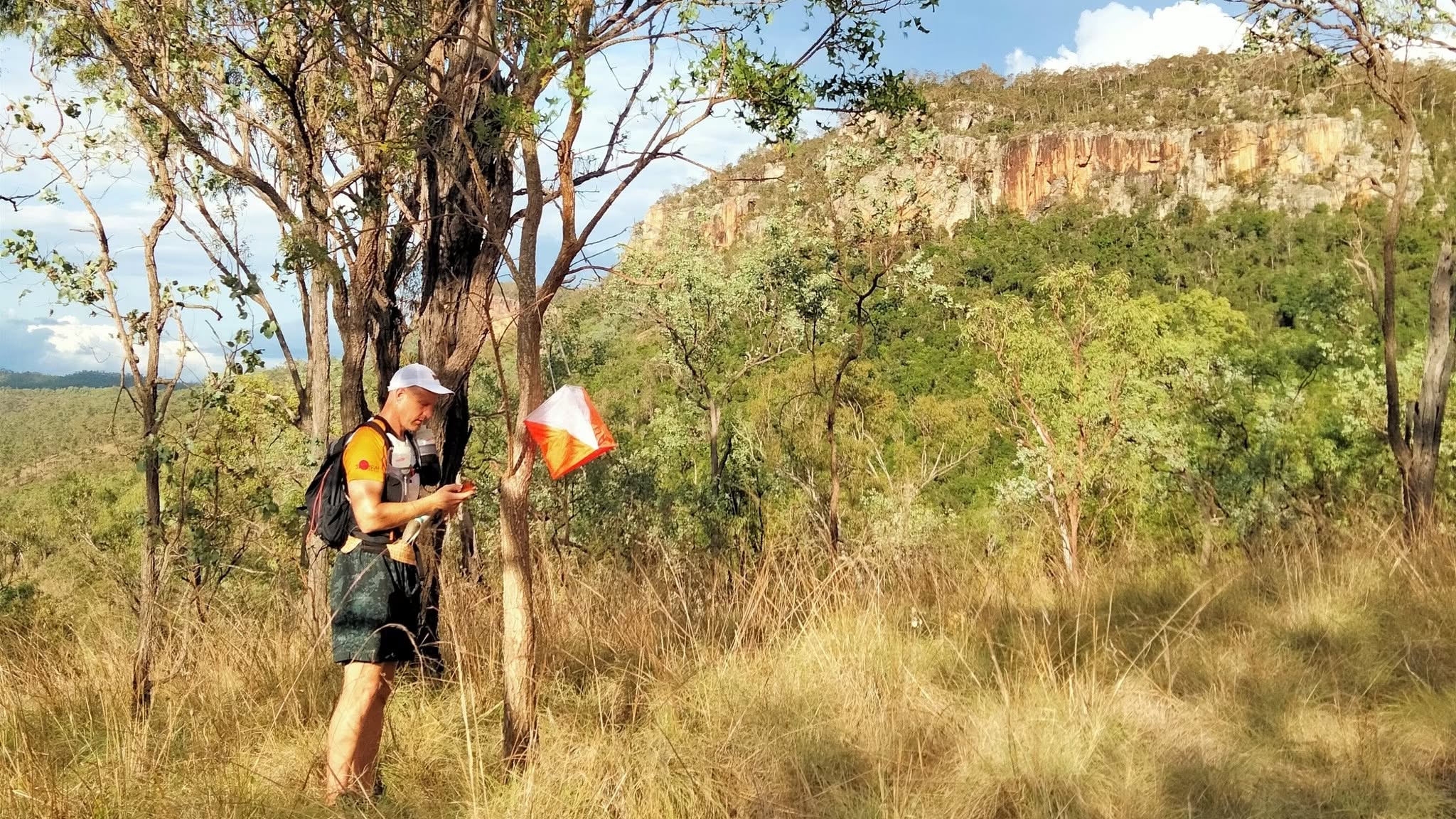
There are other goals I leave the sport having not achieved. Despite the massive stress involved, another 100 hour Raid event would have been a great challenge. I also love the potential that a longer format (eg 60 hour) packrafting/hiking focussed rogaine has in concept. I also felt like I was in a good position to write a book covering the history of Adventure Racing in Australia from it’s first origins. Such a book exists for New Zealand AR, however I’m confident there are enough stories on this side of the Tasman to make an interesting read. I’ve also got so many great ideas of homemade missions – straight line mountain bikes, a “which way” marathon and more which are going to be much harder to pull off now.
All the best to everyone with their racing. I hope to see you at the 2027 Rogue Raid and be sure to support the other great races on the calendar. In the end, as much as we are racing for the challenge and the competition, it should also be about discovery and fun, so take care of each other on the trails.
Liam


Comments are closed.